



 Selected Works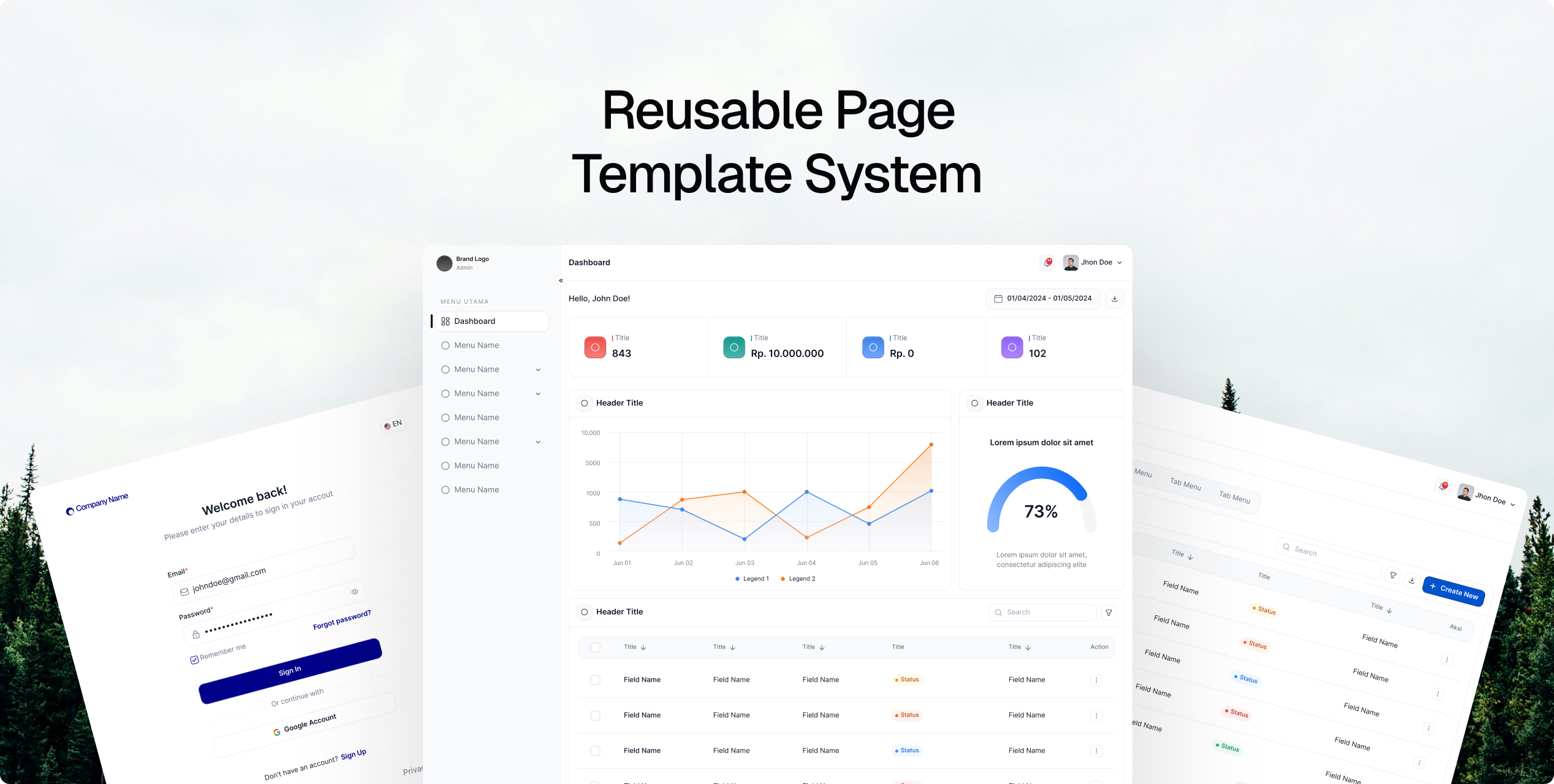
Qore is a low-code platform developed by Feedloop.ai that enables teams to build business applications across various industries.
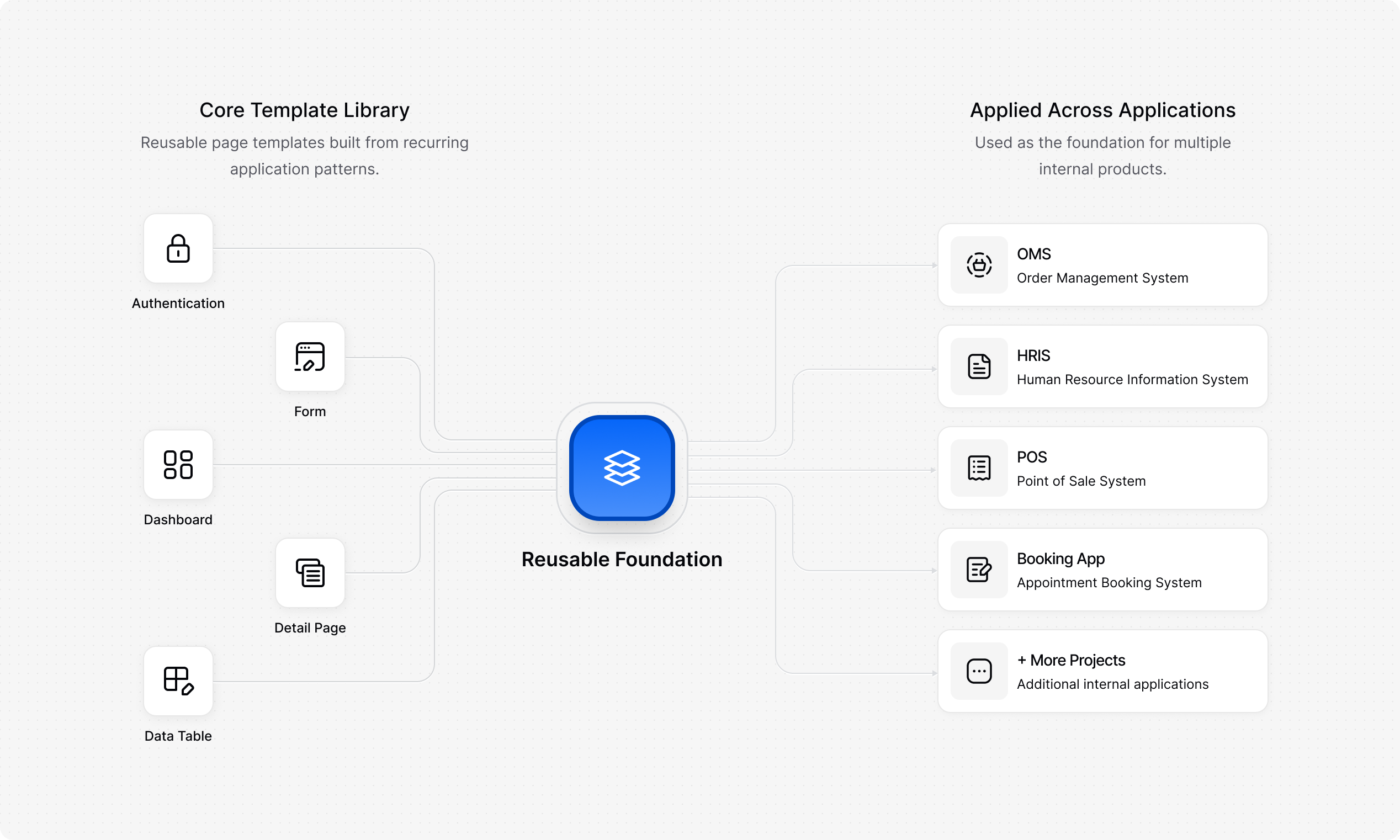
Although every client had different business requirements, I noticed many applications repeatedly used the same page structures and workflows. Instead of redesigning these pages for every project, I explored how a reusable page template system could improve the team’s workflow.
As the Product Designer, I was responsible for defining the reusable page architecture and transforming recurring page patterns into reusable templates that could be adapted across future client projects.
- Audited previous application projects.
- Identified recurring UI patterns.
- Defined the reusable template strategy.
- Designed reusable page templates.
- Collaborated with developers during implementation.
Every new client project started from scratch. Although every application solved different business problems, many of them repeatedly used the same page structures.
- Authentication
- Dashboard
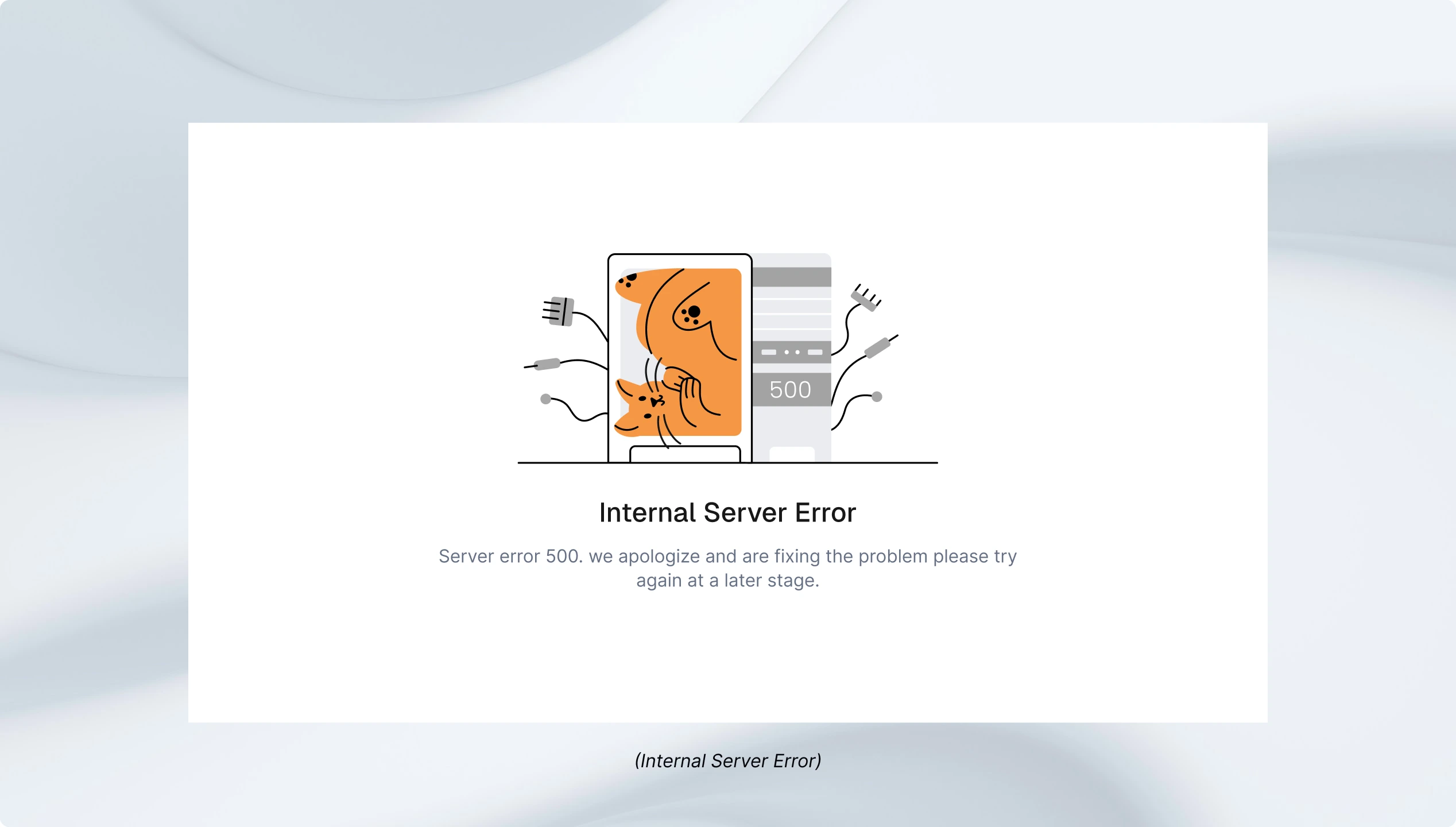
- Data Table
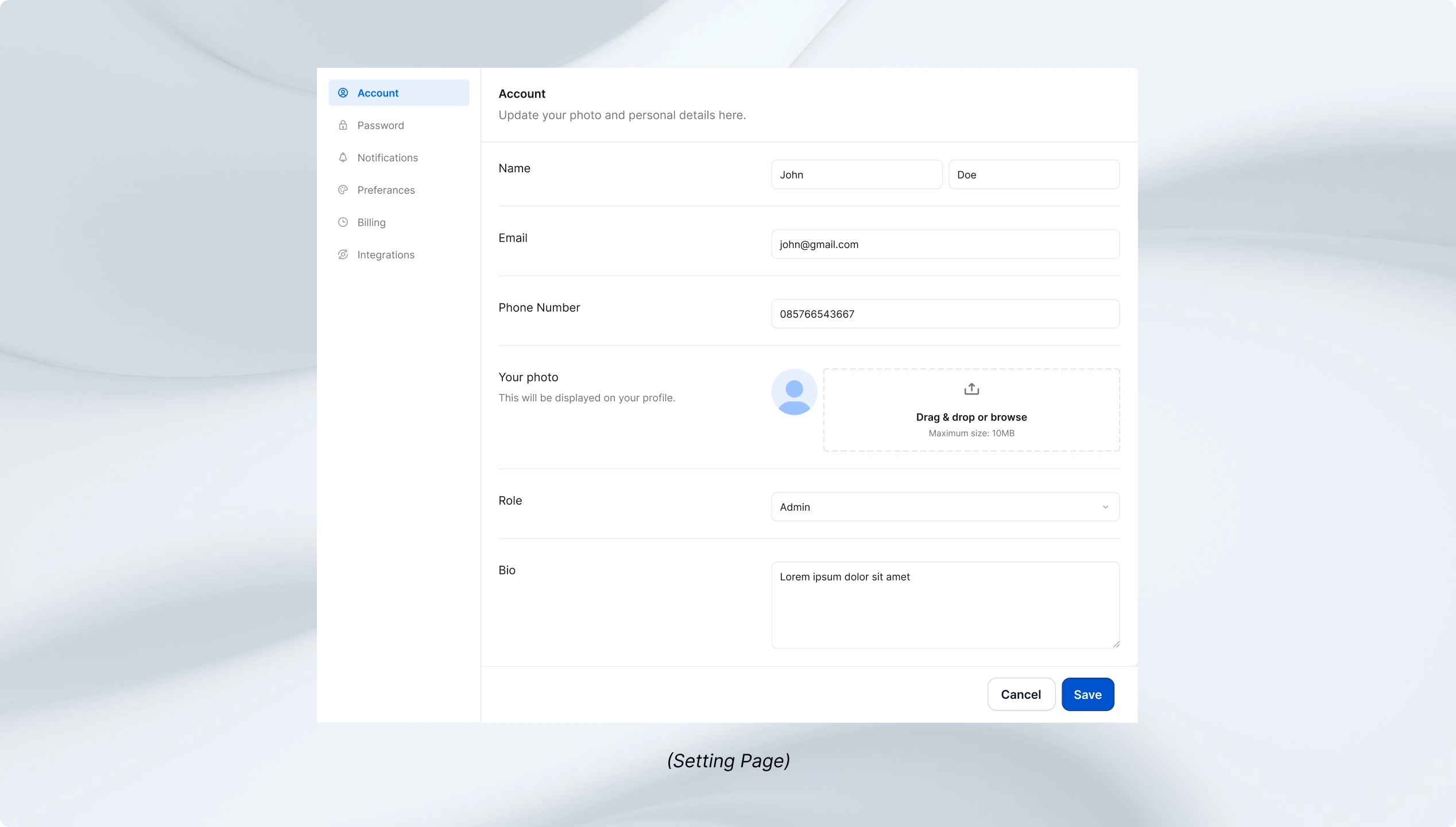
- Form
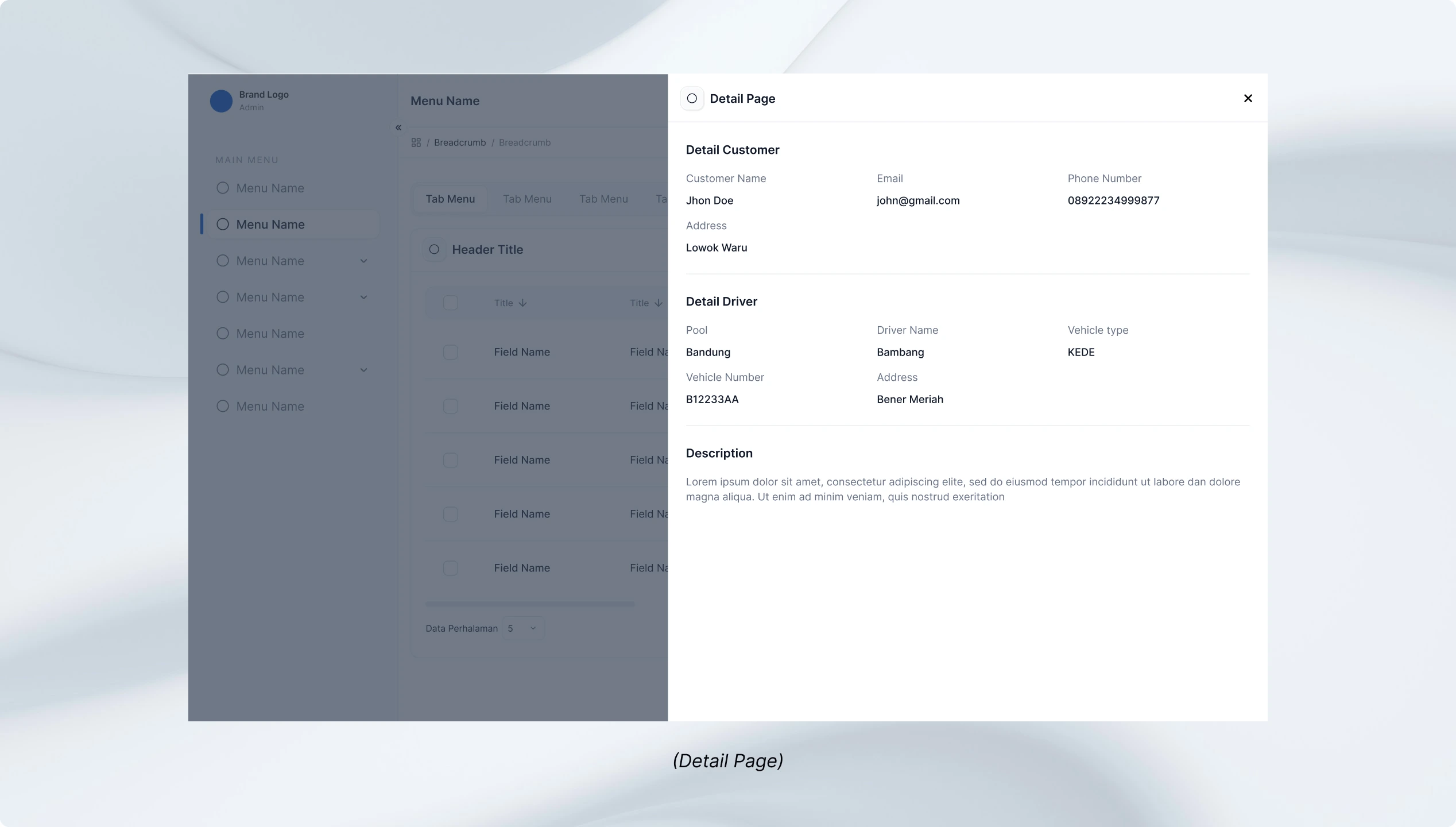
- Detail Page
- More recurring pages
Designers repeatedly recreated these pages across projects, slowing down project setup and leaving less time to solve client-specific business problems.
Although many pages shared similar structures, every application had different business requirements.
Simply copying pages from previous projects wasn’t enough. The challenge was creating templates that could be reused across products while remaining easy to adapt to each project’s needs.
Create a reusable page template system that would:
- Reduce repetitive design work
- Improve design consistency
- Accelerate project setup
- Give designers more time to solve business problems
Before designing the template system, I reviewed previous client applications to identify recurring UI patterns and understand which pages were suitable for standardization.
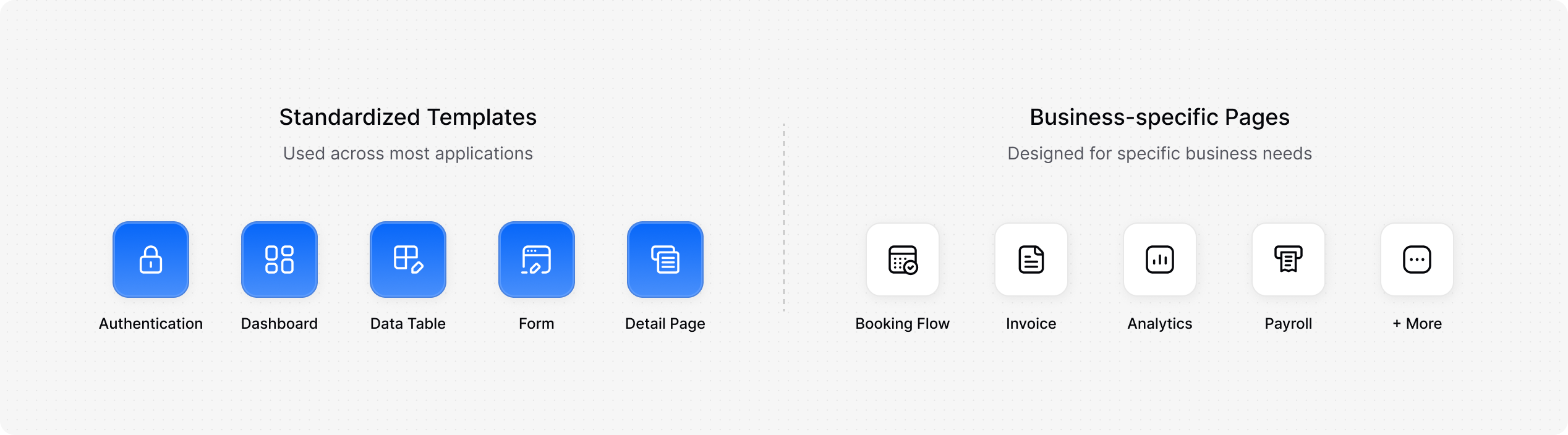
The audit revealed consistent page patterns across different applications, highlighting an opportunity to build reusable foundations.
 Common Foundation Pages
 Business-specific PagesAuthenticationDashboardData TableFormDetail PageEmployee DirectoryLeave RequestAuthenticationDashboardData TableFormDetail PageOrder DetailOrder HistoryAuthenticationDashboardData TableFormDetail PageBooking CalendarPayment
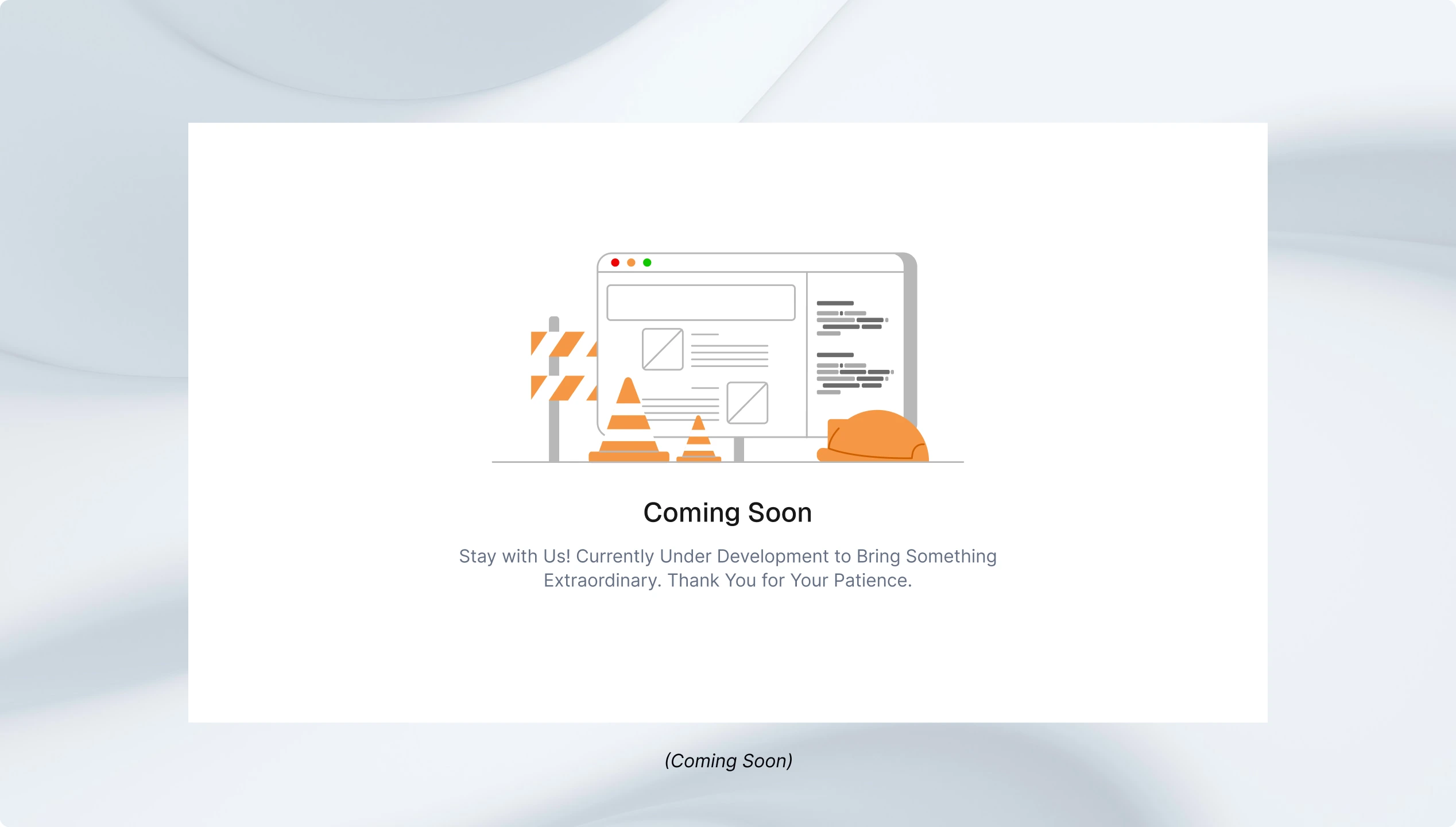
Rather than redesigning recurring pages for every project, I established reusable templates that became the shared foundation for future applications.
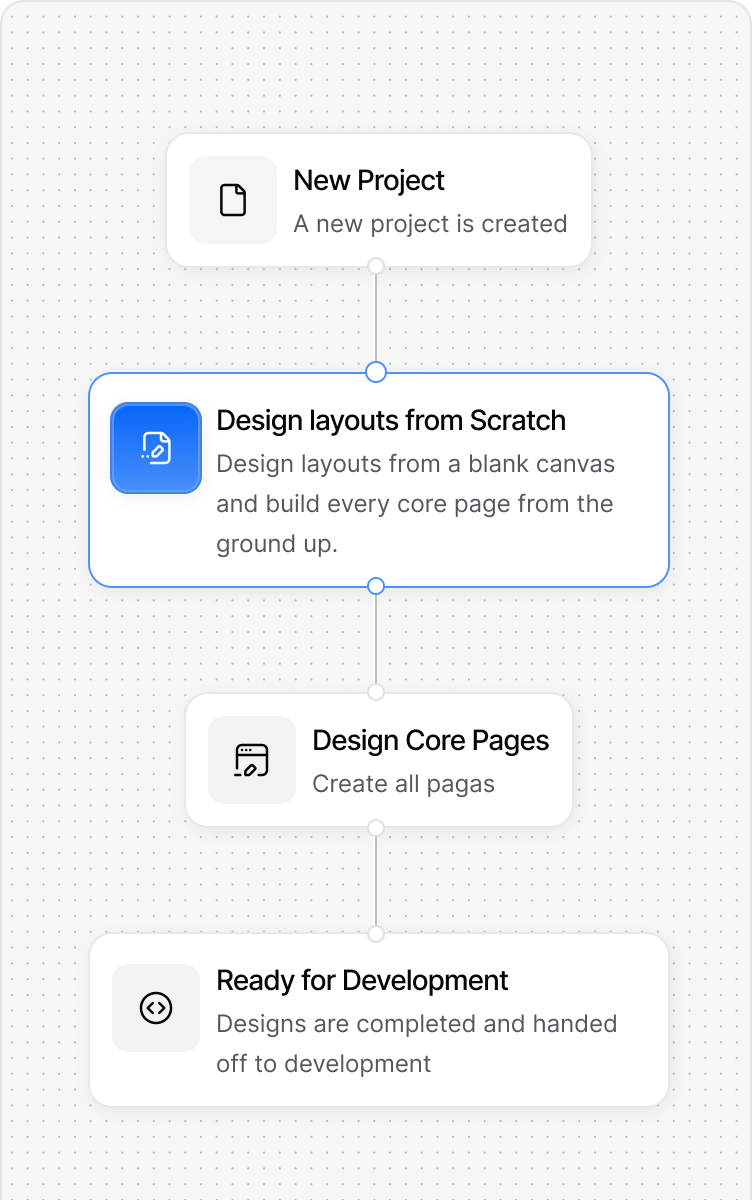
• Slower project setup
• Less time solving business problems
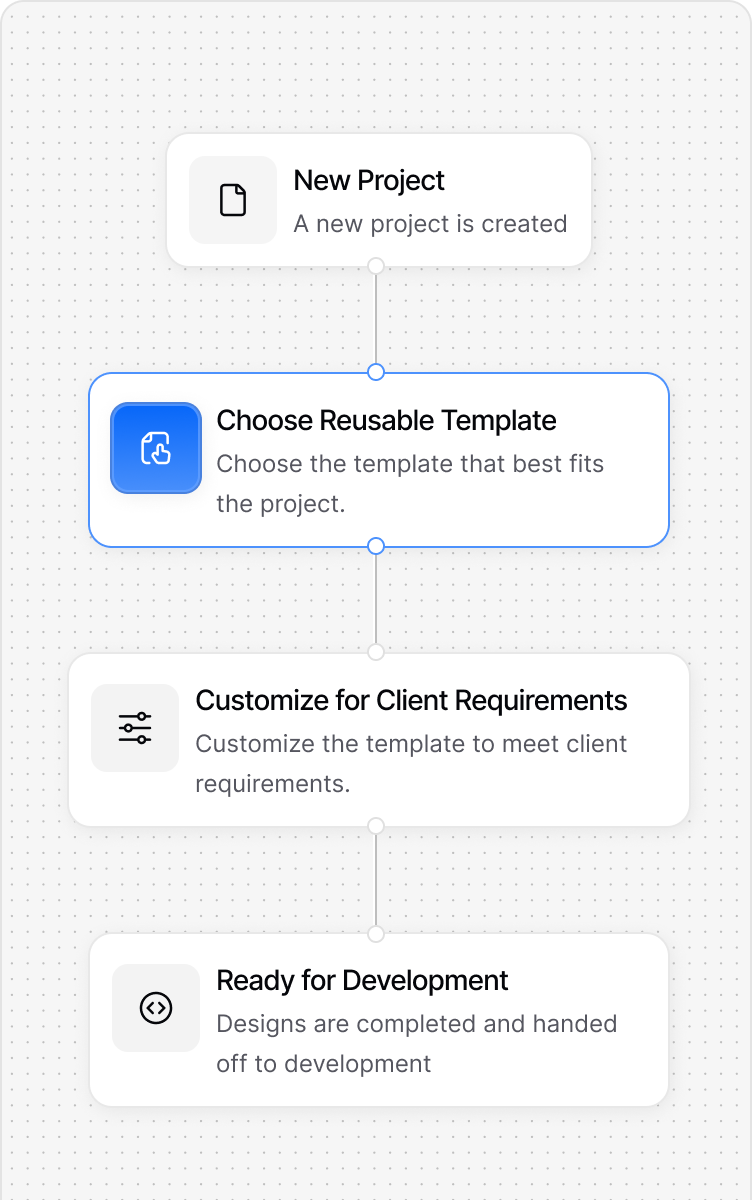
• Consistent design foundation
• More time solving business problems
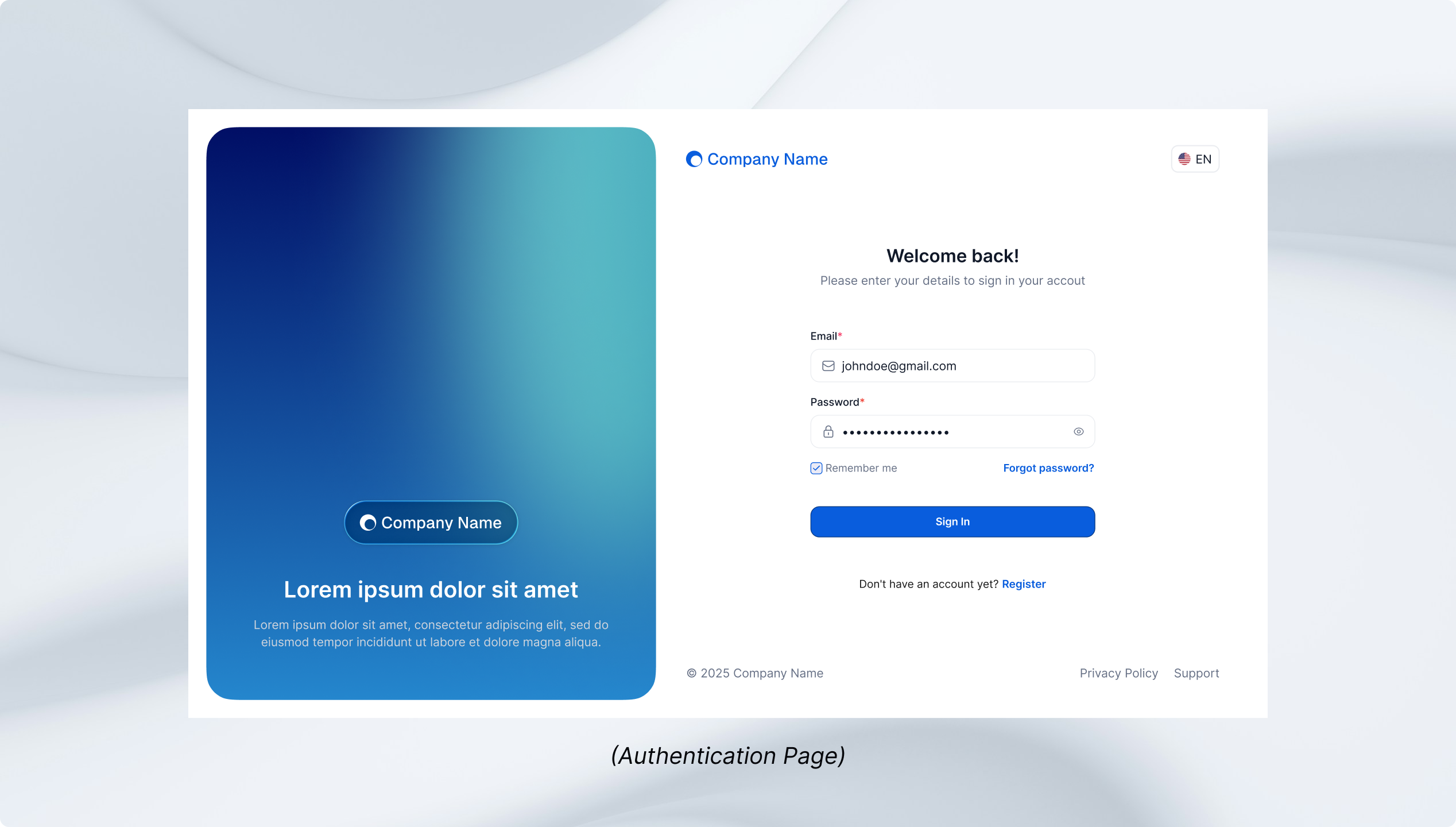
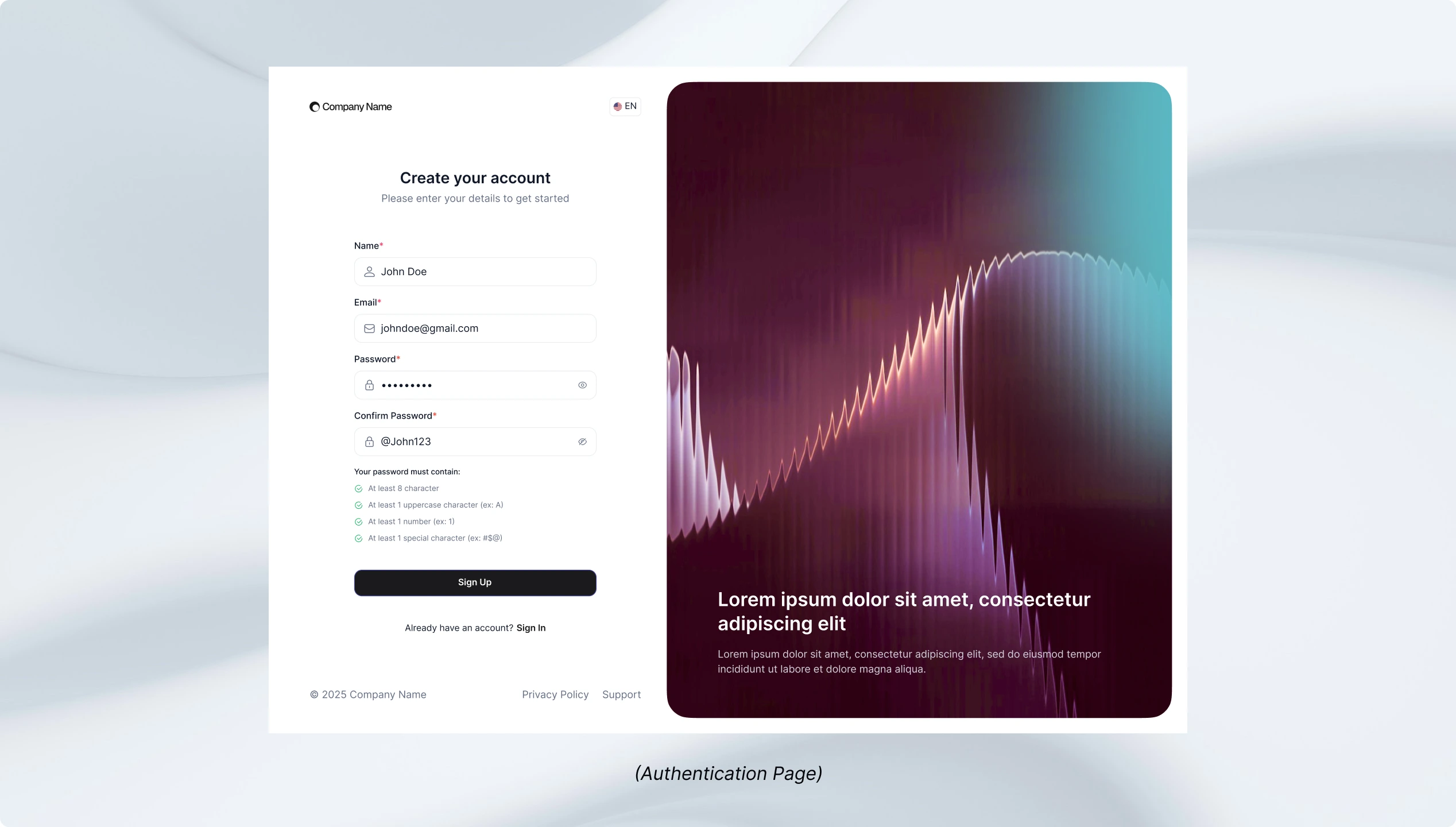
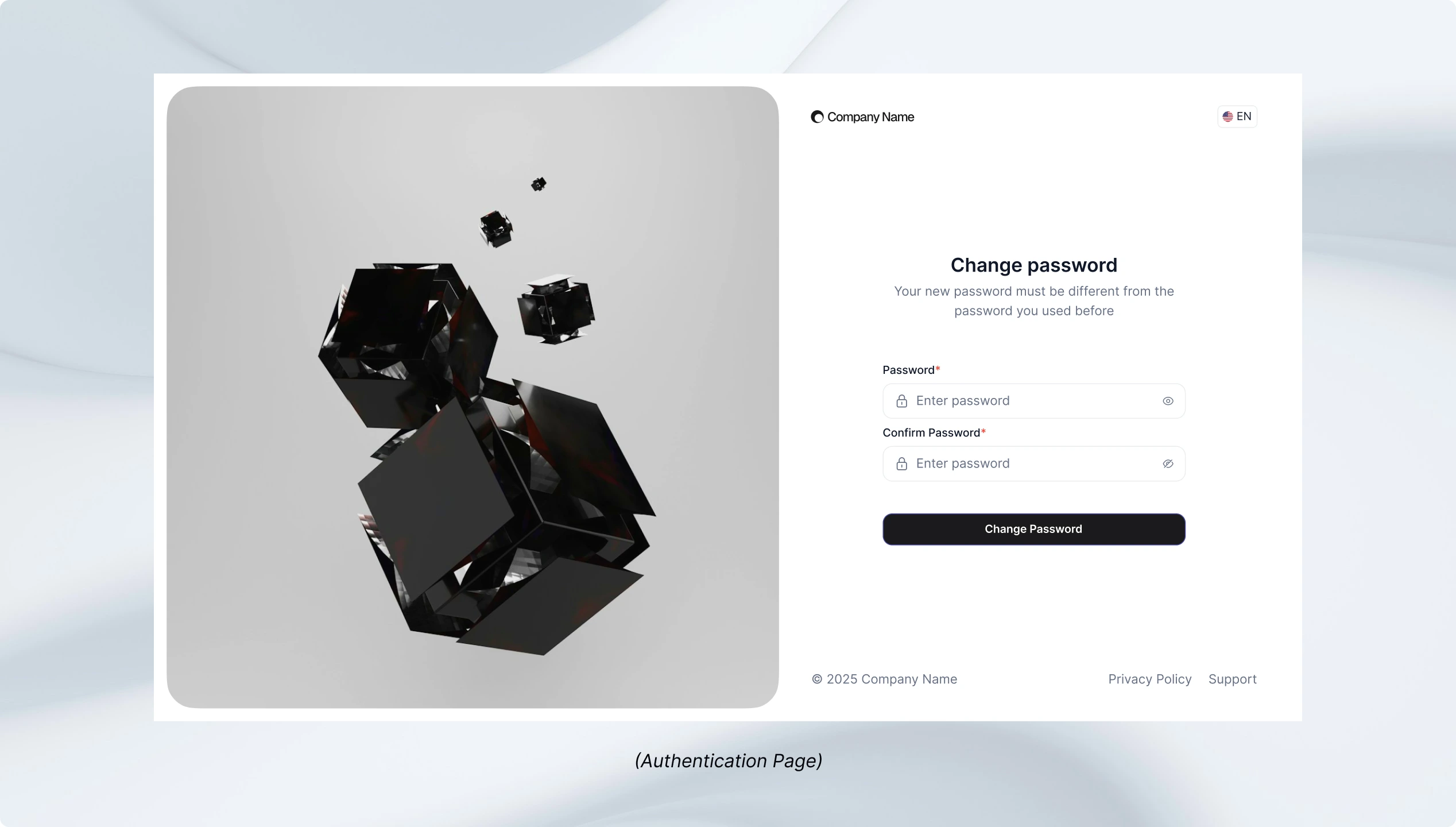
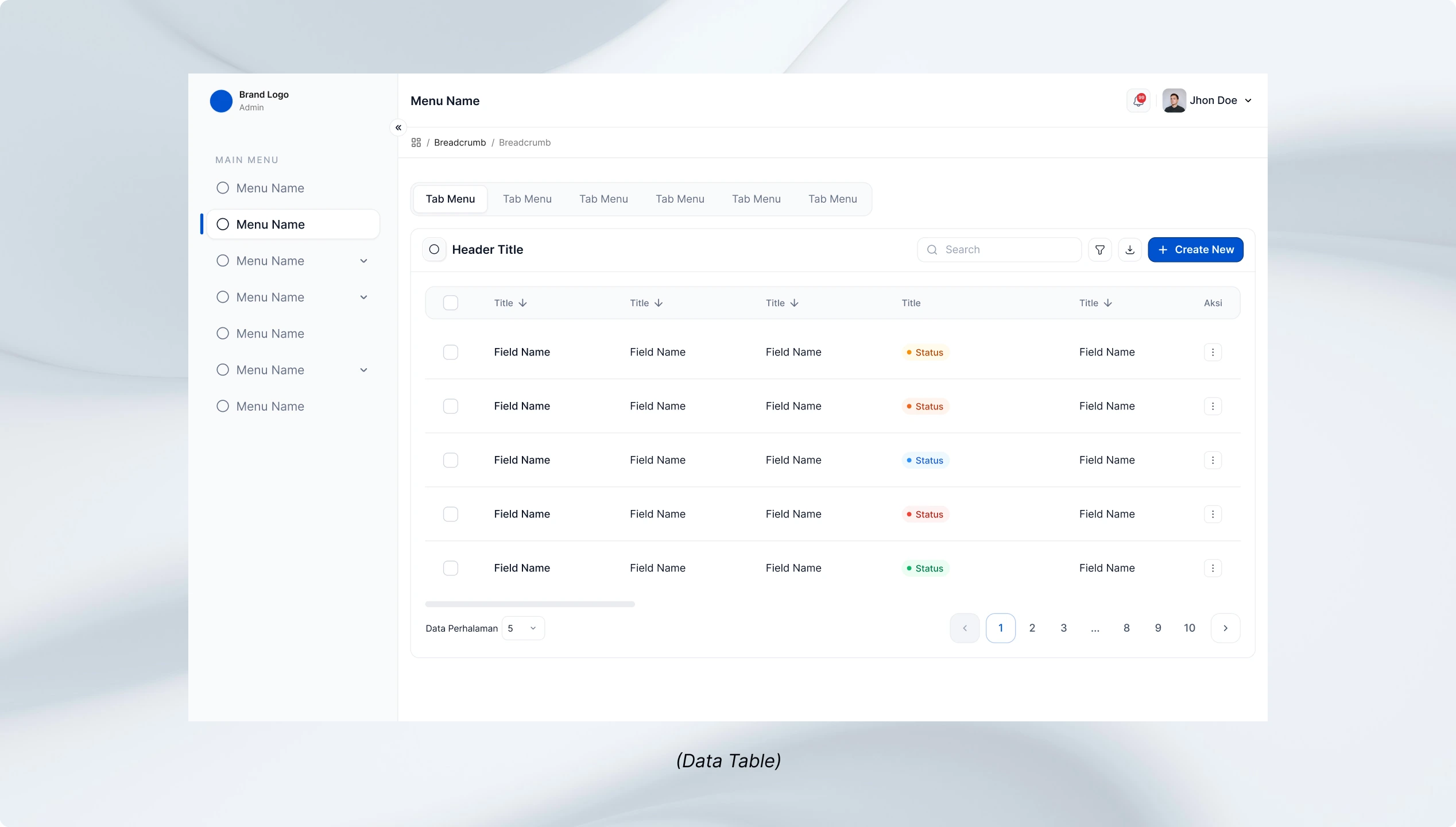
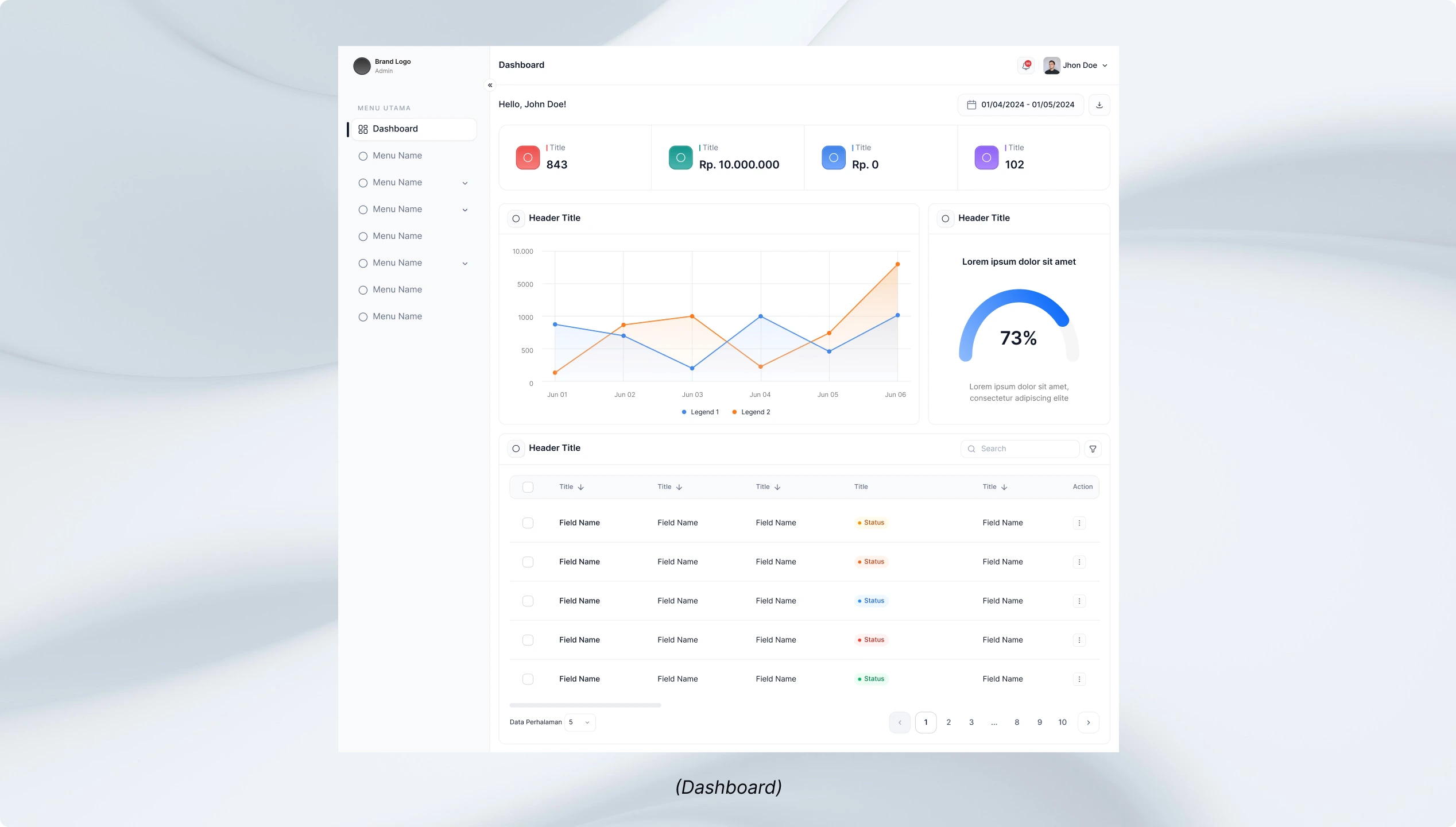
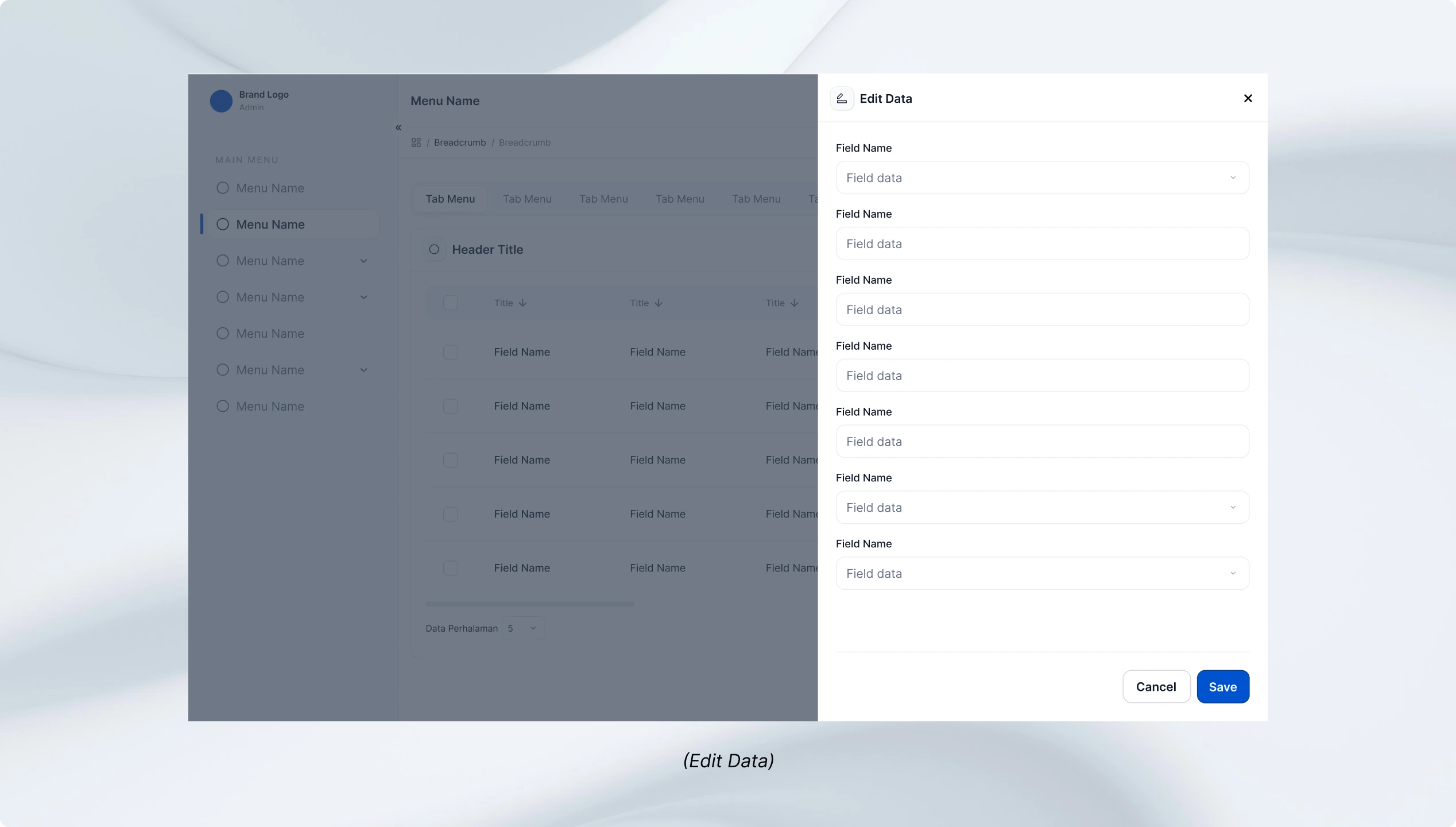
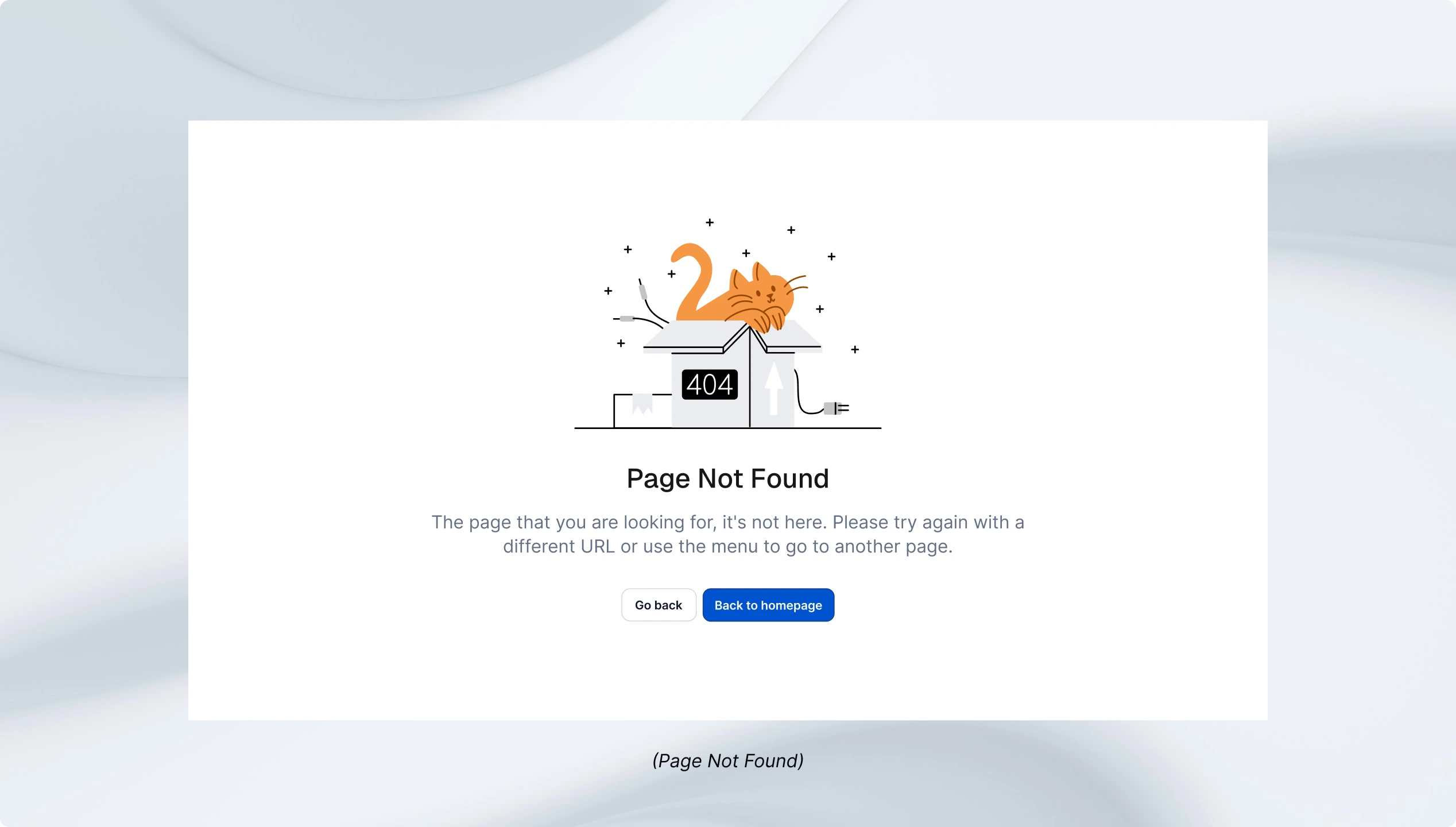


Building reusable templates isn’t about making every application look the same. It’s about creating a strong starting point that can still adapt to different business needs.
Spending time reviewing previous projects before designing helped me identify recurring patterns and avoid solving the same problems repeatedly.
A reusable foundation doesn’t just speed up the design process. It also gives designers more time to focus on the unique challenges of each product instead of rebuilding common pages.